




B.Box Inserts Guide: How to Use b.box Inserts for Better Lunchbox Organisation

Emma's daughter came home from school and said she did not eat the crackers. The hummus had tipped by recess. The strawberries bled into everything. Soggy crackers, untouched.
Sound familiar?
The b.box lunchbox is brilliant on its own. The inserts are the part most parents overlook. A good b.box silicone insert turns that already solid lunchbox into a system that holds up even when your kid opens the bag upside down on the bus. Here is exactly how to use b.box lunch box inserts to keep every food where you put it.
What are B.Box inserts, and Why Do They Matter?
You already know the b.box lunchbox has compartments. What the inserts do is take that structure one level further.
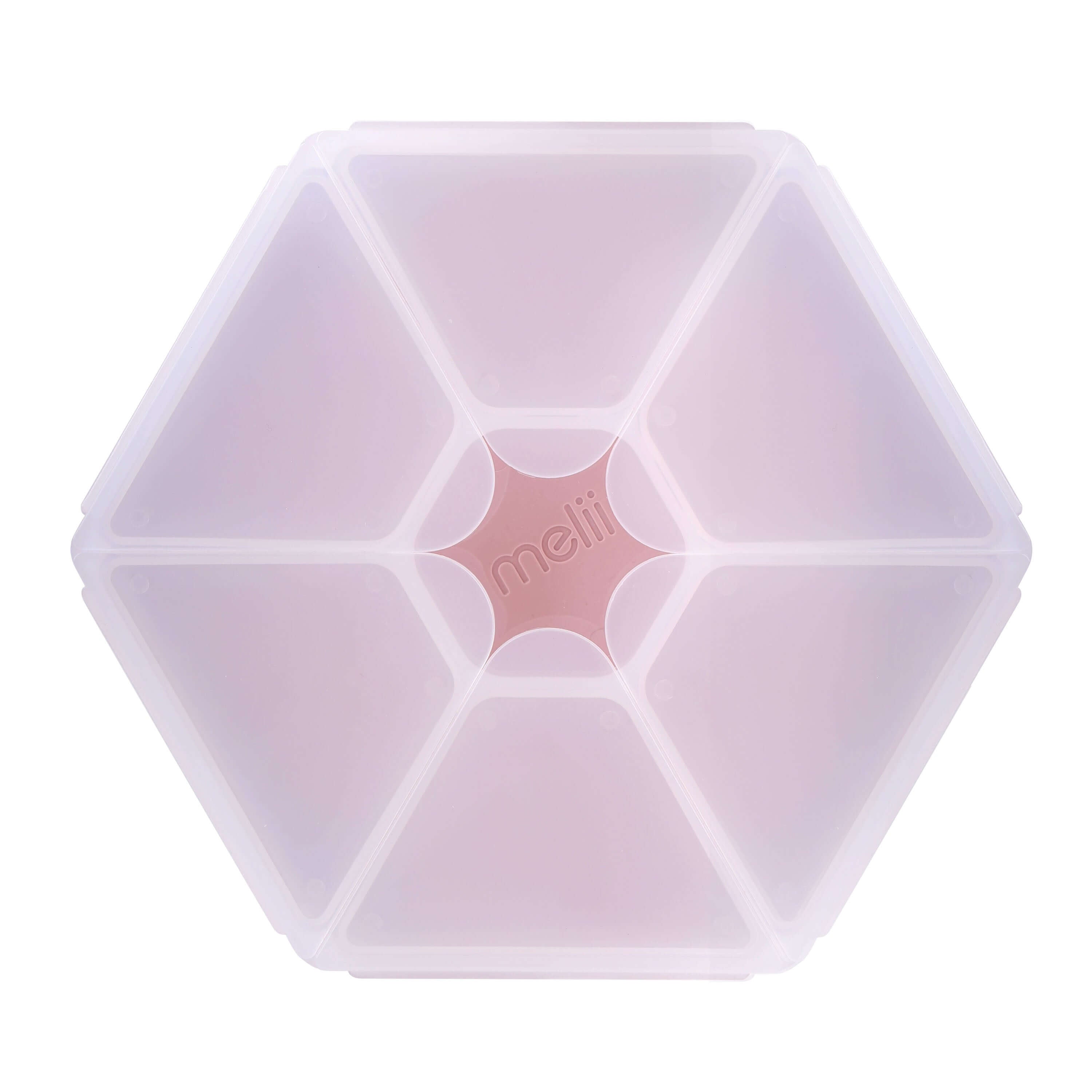
A b.box silicone insert sits directly inside the main compartment of your b.box lunchbox, dividing the space so dry foods stay dry, dips stay contained, and soft fruit does not end up pressed against the cheese. Silicone handles this job well. It presses into corners without cracking, does not hold onto food smells after a day of leftover pasta, and rinses clean in about thirty seconds.
Harvard's Nutrition Source notes that compartmented lunchboxes help children experience more variety at meals, as each food item stays visually distinct rather than merging into a single unappealing pile. That is the practical argument for inserts. Not just organisation. Better eating.
The b.box collection at BentoBliss carries both the standard lunchbox and the mini version. Both work with silicone inserts, so whether you are packing for a prep kindy kid or a Year 3 child with a bigger appetite, the system transfers.
How to Set Up Your B.Box Lunch Box Inserts Properly
Start With the Right Size
Not every b.box silicone insert is identical. The standard b.box lunchbox insert fits the full-size lunchbox, while the mini insert fits the b.box Mini. Check before you buy. An insert that doesn't sit flush will shift around, and your carefully packed sections become a mixed-up pile by the time your kid reaches school.
Pack Wet Foods in Their Own Section
The silicone sections are leak-resistant, not magic. Hummus and tzatziki sit perfectly well inside them. Juice does not. Anything thin enough to run will find a gap somewhere, so keep liquids in a sealed jar and trust the insert to handle everything else.
A practical setup that works for most school lunches:
-
Protein in one corner: Cold chicken pieces, cheese cubes, or rolled deli meat work well here. They do not release moisture, so nothing nearby ends up soggy.
-
Produce next to it: Cucumber coins, sliced capsicum, or a small handful of berries. The section wall between produce and crackers is doing the most work in the whole box.
-
Carbs on the dry side: Rice crackers, a torn bread roll, or a few plain crackers stay crisp when wet foods are kept away.
-
The last section for a dip or treat: Kids go straight for this one. A spoonful of hummus or a few squares of chocolate, contained, means they still work through everything else first.
Slide the Divider, Then Lock the Insert
The b.box lunchbox has a slide-and-glide divider that adjusts the main compartment. Set that first to match the amount of space your meal needs. Then press your b.box silicone insert into the section you want divided further. The insert clicks down against the base and stays put, even if the lunchbox gets thrown into a bag.
Pairing B.Box Inserts with Insulated Jars and Drink Bottles
Here is where the real flexibility shows up.
The b.box lunchbox main compartment is generous. When you use a b.box silicone insert to organise the snack side, you free up the rest of the box to carry something warm or more substantial. That is where insulated jars become genuinely useful.
The Avanti YumYum Insulated Food Jar 300ml sits beautifully next to the b.box lunchbox inside a b.box insulated lunch bag. Pack the jar with warm pasta, rice and veggies, or a small serving of soup. Let the inserts in the lunchbox handle the crackers, fruit, and dip. Your child gets a complete meal without you needing a second bag.
The Oasis Insulated Food Flask 230ml is the compact option. At 230ml, it is sized for smaller appetites, think kindy through to Year 2, and it tucks easily alongside the lunchbox in most insulated bags. Fill it with warm baked beans, mac and cheese, or a small serving of chicken noodle soup.
For drinks, the Oasis Kids Tritan Juice Box with Straw 300ml travels in the side pocket of the lunch bag or alongside the lunchbox stack. It holds 300ml, which is the right volume for a school lunch drink without being so heavy that a small child struggles with it. The combination of a b.box lunchbox with a b.box silicone insert, one insulated food jar, and a juice box covers every food group without a pile of separate containers to wash.
The B.Box Snack Insert: What It Does Differently

The b.box snack insert is not the same as the standard silicone tray. It is designed specifically to fit inside the b.box Snackbox, which is a smaller, standalone container separate from the main lunchbox.
Where the silicone lunchbox insert creates sections inside the main compartment, the b.box snack insert creates structure inside a box that is already small. It is ideal for situations where you want to send a mini snack separately: morning tea at kindy, a post-sport snack in the car, or a mid-morning bite for a child in extended care. You load it with three or four small items, press the insert in, and the Snackbox clips shut flat.
Parents who use both together often pack the Snackbox for morning tea and the lunchbox for the full lunch. Two separate eating occasions, both organised with inserts, nothing leaking into anything. Kids tend to pick at more of what is in front of them when they can actually see each item clearly, and the insert system makes that happen without any extra effort from you. Healthy Family Project has a solid breakdown of lunchbox habits worth reading if you want to go deeper.
Conclusion
A b.box lunchbox without inserts is still a good lunchbox. The b.box silicone insert is just what makes it yours. Pack it the same way a few mornings in a row, and the routine builds itself. Your child learns where the crackers live, where the fruit is. The treat is always in the last section. Pair it with an insulated food jar and a drink bottle, and you have covered every part of the meal. One bag, nothing rolling around, nothing soggy.
Frequently Asked Questions
Are b.box inserts compatible with both the mini and full-size b.box lunchbox?
The b.box lunchbox range includes a full-size and a mini option, and each has a corresponding insert sized for that specific box. The full-size b.box silicone insert will not fit correctly in the b.box Mini, so check the product listing before purchasing. BentoBliss lists both sizes in the b.box silicone tray collection, so you can easily match them.
Can I use a b.box silicone insert to carry wet foods like yoghurt?
Thick, spoonable foods like yoghurt, hummus, or custard work well inside a silicone insert section. The silicone holds its shape, and the sections are leak-resistant for thick foods. Avoid using the insert sections for anything liquid, such as runny sauces. Those belong in a sealed jar such as the Avanti YumYum Insulated Food Jar, which is fully sealed and designed for wet contents.
How many sections does a b.box lunch box insert create?
The standard b.box silicone insert creates three to four smaller sections inside the main lunchbox compartment, depending on which insert you choose and how you position it alongside the b.box slide-and-glide divider. Used together, the divider and the insert give you meaningful separation across the full lunchbox space without needing extra containers.
Is the b.box snack insert the same as the lunchbox silicone tray?
No. The b.box snack insert is sized for the b.box Snackbox, which is a smaller, standalone container. The Snackbox and its insert are ideal for morning tea or after-school snacks. Many families use both: the Snackbox for morning tea and the full lunchbox with a silicone insert for the midday lunch.
How often should I replace my b.box silicone insert?
A well-maintained b.box silicone insert rinsed daily and run through the dishwasher a few times per week will typically last one to two school years before showing signs of wear. Look out for discolouration that will not clear, tears at the section walls, or any warping that prevents the insert from sitting flat. When it no longer sits flush, replace it.
 Back to News

