




Glass vs Plastic Food Storage Containers - Bentobliss Guide

Choosing the right food storage containers affects your family's health, budget, and daily routine more than you might think. Whether you're packing school lunches, meal prepping for the week, or storing leftovers, the material of your containers matters for safety, durability, and food quality.
In this guide, we'll walk through the key differences between glass vs plastic food storage containers, covering everything from chemical safety to cost considerations. We've also included practical recommendations from Bentobliss's range of storage solutions to help you make the best choice for your household's needs.
Material Comparison Overview
| Feature | Glass | Plastic | Stainless Steel |
|---|---|---|---|
| Chemical Safety | No BPA/phthalates | Varies by type | Non-reactive |
| Microwave Safe | Yes (most types) | Limited | No |
| Oven Safe | Yes (to 400°C) | No | Yes |
| Weight | Heavy | Light | Medium |
| Durability | Chip-prone | Flexible | Very durable |
| Cost | Higher upfront | Lower upfront | Highest upfront |
Top 5 Safety Benefits of Glass Food Storage
Glass containers offer the cleanest storage option for your food. Unlike plastic, glass doesn't contain BPA, phthalates, or other chemicals that can migrate into your meals over time.
Heat stability stands out as glass's biggest safety advantage. You can safely heat glass containers in microwaves, ovens, and dishwashers without worrying about chemical leaching. The Bentgo 6 Piece Round Glass Food Storage Set handles temperatures from freezer to oven seamlessly.
Glass won't absorb odours, stains, or flavours from previous meals. This means your containers stay fresh and won't transfer tastes between different foods. The non-porous surface also prevents bacteria buildup better than plastic alternatives.
For families with young children, glass eliminates concerns about hormone-disrupting chemicals. Research from ABC News Australia highlights how glass storage can reduce exposure to potentially harmful plastics.
The transparency of glass makes it easy to identify contents and check for spoilage without opening containers. This visibility helps reduce food waste and keeps your fridge organised.
Top 4 Practical Advantages of Plastic Food Storage
Plastic containers excel in portability and convenience. They're significantly lighter than glass, making them ideal for school lunches, picnics, and travel. Kids can handle plastic containers without the breakage risk that comes with glass.
Cost efficiency makes plastic the budget-friendly starter option. You can outfit your entire kitchen with plastic storage for less than the price of a few glass pieces. This affordability lets families experiment with different sizes and styles.
Flexibility gives plastic containers an edge in tight spaces. They can squeeze into packed lunch bags and stack efficiently in crowded fridges. Many plastic designs include features like snap-lock lids and portion dividers that glass can't easily replicate.
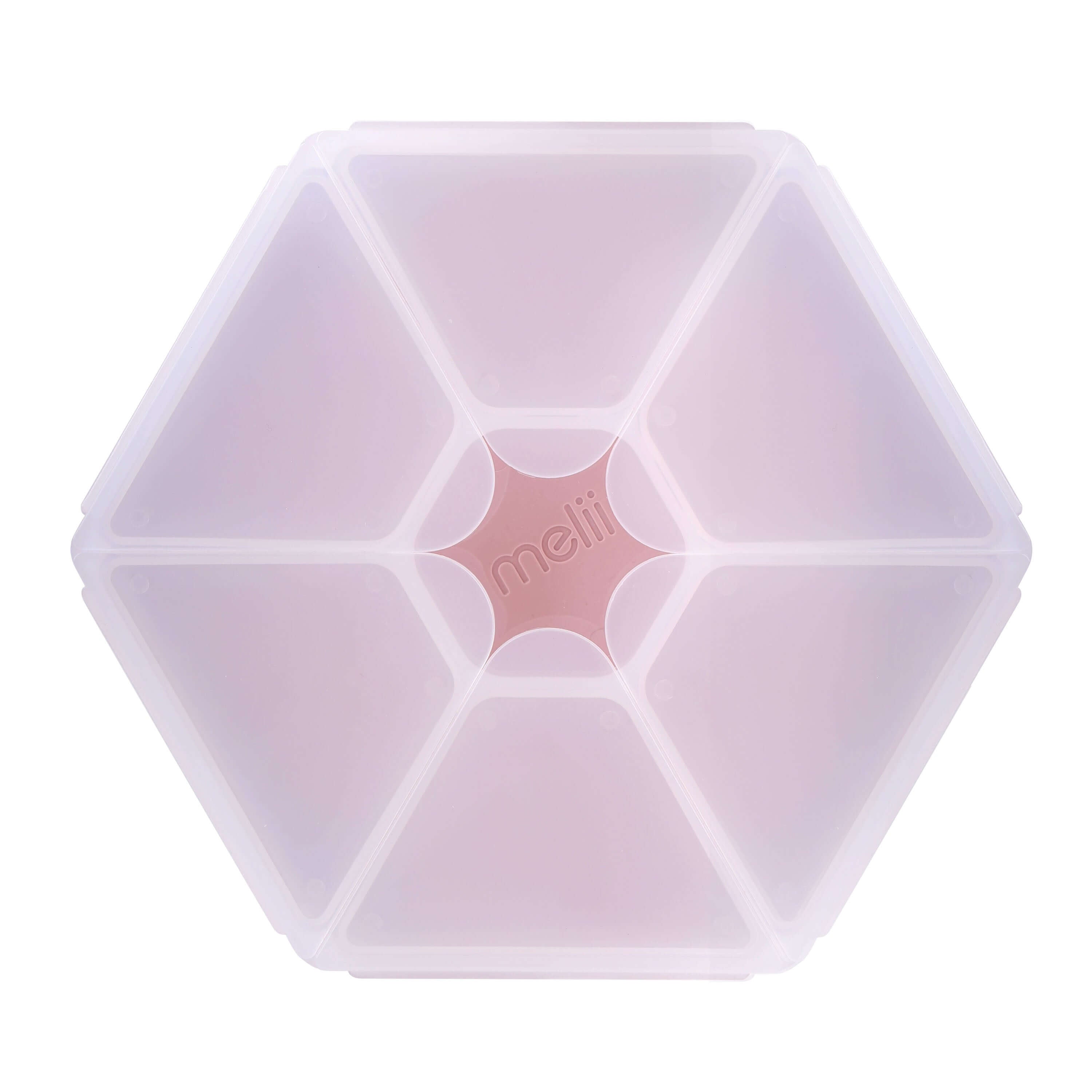
Modern BPA-free plastics address many traditional safety concerns. Look for containers marked with recycling codes 1, 2, 4, or 5, which indicate safer plastic types. The Melii collection at Bentobliss offers silicone alternatives that combine plastic's flexibility with improved safety.
Heat Resistance Comparison
Glass dominates when it comes to temperature versatility. Most glass containers handle temperatures from -18°C in the freezer up to 400°C in the oven. This range lets you store, reheat, and even cook in the same container.
Plastic containers have strict temperature limits. Standard plastic storage shouldn't exceed 70°C, ruling out oven use and limiting microwave applications. Even microwave-safe plastics can warp or release chemicals when overheated.
Thermal shock resistance varies significantly between materials. Quality glass containers transition smoothly from freezer to microwave, while plastic can crack or deform under rapid temperature changes.
For meal prep enthusiasts, glass's heat tolerance means you can prepare, store, and reheat entire meals in one container. This convenience reduces dish washing and simplifies weekly food preparation routines.
Stainless steel offers excellent heat resistance for stovetop and oven use but can't go in microwaves due to metal content. Consider stainless steel from Bentobliss's range for hot food storage and transport.
Durability Showdown
Stain resistance clearly favours glass and stainless steel. Plastic containers often develop permanent discolouration from tomato-based sauces, curry, and other pigmented foods. Glass maintains its clear appearance indefinitely with proper care.
Odour retention becomes a major issue with plastic over time. Garlic, onions, and spices can leave lasting smells that transfer to future meals. Glass and steel remain odour-neutral regardless of what you've stored previously.
Impact resistance tells a different story. Plastic containers bounce back from drops that would shatter glass. For households with young children or clumsy adults, plastic's flexibility prevents costly replacements.
Scratch resistance varies by material quality. Cheap plastic develops scratches that harbour bacteria, while quality glass maintains smooth surfaces. Deep scratches in plastic can't be properly sanitised and may require container replacement.
Lid durability often determines container lifespan. Plastic lids on glass containers typically fail before the glass itself, while all-plastic designs may crack at stress points. Look for containers with replaceable lids to extend useful life.
Environmental Impact Analysis
Glass wins the sustainability comparison through infinite recyclability. Unlike plastic, which degrades with each recycling cycle, glass can be recycled endlessly without quality loss. This makes glass the more environmentally responsible long-term choice.
Production footprint initially favours plastic due to lower energy requirements. However, glass's longevity means fewer replacements over time, potentially offsetting the higher manufacturing impact.
Plastic recycling faces significant challenges in Australia. Many plastic food containers end up in landfills despite recycling symbols, as local facilities can't process all plastic types effectively.
The environmental mission at Bentobliss includes reducing single-use plastics through durable container options. Their glass and stainless steel selections support waste reduction goals while maintaining functionality.
Microplastic concerns add another environmental dimension. Plastic containers can shed microscopic particles into food and water systems, while glass and steel remain inert throughout their lifecycle.
Alternative Materials Worth Considering
Silicone containers bridge the gap between plastic and glass benefits. They're flexible like plastic but heat-resistant and chemical-free like glass. The Melii Luxe Silicone Bento demonstrates how silicone works for portion control and safe heating.
Stainless steel excels for hot food transport and outdoor use. It's virtually indestructible and maintains temperature better than other materials. Steel containers work well for soups, stews, and other liquid foods that might leak from other container types.
Bamboo fibre containers offer a biodegradable option, though they're less durable than traditional materials. These work best for dry goods storage rather than liquid or heated foods.
Ceramic containers provide glass-like benefits with better thermal mass for keeping foods at stable temperatures. However, they're heavier than glass and more prone to chipping.
Consider hybrid designs that combine materials strategically. Glass bottoms with plastic lids, or steel containers with silicone seals, can optimise performance for specific uses.
Cost Analysis: Investment vs Value
Upfront costs clearly favour plastic, with basic sets starting around $20-30 compared to $60-100 for equivalent glass collections. However, replacement frequency changes the long-term calculation significantly.
Quality glass containers can last decades with proper care, while plastic typically needs replacement every 2-3 years due to wear, staining, and odour retention. This durability difference often makes glass more economical over time.
Hidden costs include food waste from poor sealing, health impacts from chemical exposure, and environmental cleanup costs. These factors are difficult to quantify but add to plastic's true cost.
Premium options like the Bentgo All-In-One Glass Salad Container justify higher prices through multi-functional designs that replace several single-purpose containers.
Budget-conscious families can start with a mixed approach: glass for heating and long-term storage, plastic for portable and kid-friendly applications. This strategy balances cost with functionality while you build your collection over time.
Maintenance and Care Requirements
Cleaning ease varies significantly between materials. Glass and stainless steel handle aggressive scrubbing and strong detergents without damage. Plastic requires gentler treatment to prevent scratching and clouding.
Dishwasher compatibility differs by material and design. Most glass containers handle high-heat dishwasher cycles, while plastic may warp or degrade. Always check manufacturer specifications before machine washing.
Stain removal from plastic requires special techniques like baking soda pastes or vinegar soaks. Glass stains typically disappear with standard dish soap and hot water.
Lid maintenance often determines container longevity. Silicone seals need regular inspection and replacement, while plastic gaskets may crack over time. Keep spare seals on hand for valuable containers.
Storage organisation becomes easier with stackable designs and clear visibility. Glass containers nest efficiently and let you see contents at a glance, reducing time spent searching through opaque plastic containers.
Best Bentobliss Options for Different Needs
For meal prep enthusiasts, the Bentgo 6 Piece Round Glass Food Storage Set offers multiple sizes with leak-resistant seals. The glass construction handles freezer-to-microwave transitions perfectly for weekly meal preparation.
School lunch solutions benefit from the Melii Luxe Bento Box 1250ml, which combines silicone safety with portion control compartments. Kids can handle the lightweight design while parents appreciate the chemical-free materials.
Salad lovers should consider the Bentgo All-In-One Glass Salad Container, which includes separate compartments for dressings and toppings. This design keeps ingredients fresh and prevents soggy salads.
For versatile storage, explore Bentobliss's new arrivals which regularly feature innovative designs that address specific storage challenges.
Remember that free shipping on orders over $110 makes it economical to build a complete storage system rather than buying individual pieces over time.
Conclusion
Glass containers offer superior safety and longevity, making them ideal for families prioritising health and environmental responsibility. Plastic remains practical for portable use and budget-conscious households, especially when choosing BPA-free options.
The best approach often combines both materials strategically: glass for home storage and reheating, plastic or silicone for school lunches and travel. Start building your collection with versatile pieces from Bentobliss that match your family's specific needs and usage patterns.
FAQ
Are glass food storage containers worth the extra cost?
Yes, for most households. Glass containers typically last 10+ years compared to 2-3 years for plastic, making them more economical long-term despite higher upfront costs.
Can I put plastic food containers in the microwave safely?
Only containers specifically marked microwave-safe should be heated. Even then, avoid high temperatures and fatty foods which can cause chemical leaching from plastic.
Which material is best for meal prep containers?
Glass excels for meal prep because you can cook, store, and reheat in the same container. The Bentgo glass storage sets are specifically designed for this workflow.
How do I remove stains and odours from plastic containers?
Create a paste with baking soda and water, let it sit overnight, then scrub gently. For persistent odours, try soaking in white vinegar solution for several hours.
What's the safest plastic for food storage?
Look for recycling codes 1, 2, 4, or 5, which indicate safer plastic types. Avoid codes 3, 6, and 7 which may contain harmful chemicals like BPA or phthalates.
 Back to News


