




School Bag Essentials: What Should Kids Carry Every Day?
Have you ever opened your child's school bag and wondered how it became so full? Yesterday’s worksheets. A crushed snack. Three pencils they never used. And somehow, the drink bottle is still sitting on the kitchen counter. Packing “just in case” quickly turns a simple school bag into a heavy, messy one.
The fix isn't another longer checklist. It’s knowing what your child actually needs each day. This article explores the essential things for a school bag, how to pack lunch without the mess, and which extras can stay at home.
What Should Kids Carry in Their School Bag Every Day?
Mornings are busy enough without trying to remember everything your child might need at school. A daily bag usually needs just four basics: schoolwork, a drink bottle, lunch, and a few items specific to that day's activities.
-
Schoolwork and stationery: Check the day's timetable and pack only the books, folders and supplies your child needs. It saves space and avoids carrying extra weight.
-
Drink bottle: Pick one your child can open, close and carry without help. A b.box drink bottle is made for everyday hydration.
-
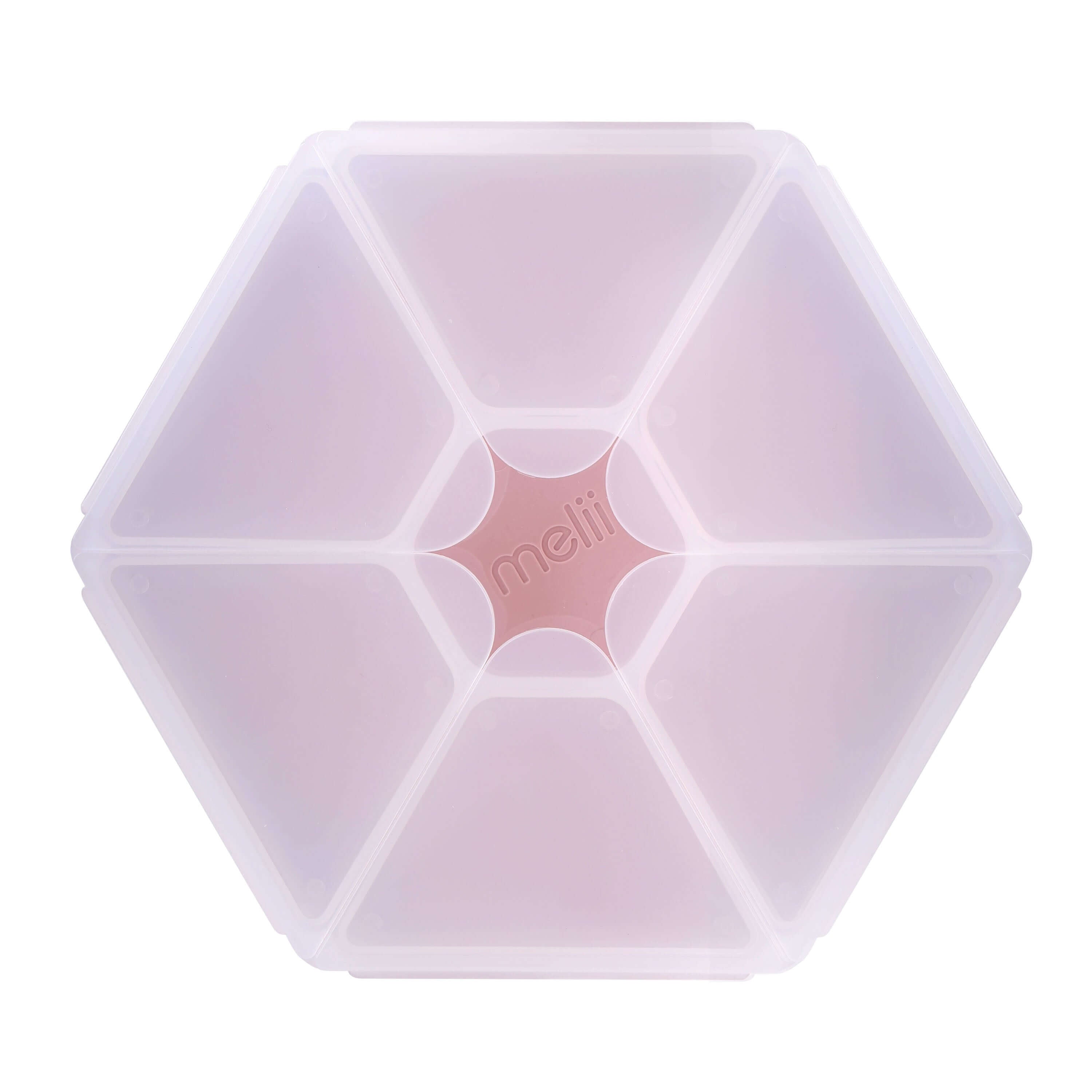
Lunch: Keep sandwiches, fruit and snacks in a sandwich container so food doesn't get crushed or spill through the bag.
-
Personalised bag tag: When several school bags look the same, a personalised bag tag helps your child spot theirs quickly.
-
Daily extras: Add what the day calls for, whether that's a library book, school hat or sports gear.
You don't need to pack for every possible situation. Pack for the day ahead, and your child gets a bag that's lighter, easier to find things in, and simpler to manage on their own.
How Can You Make a School Bag Easier for Kids to Carry?
Keep heavy books close to your child’s back, use separate pockets for small items, and place lunch where it stays upright. These simple changes make the bag easier to carry and help kids find what they need without unpacking everything.
-
Keep heavy books at the back: Place textbooks and folders against the back panel. This keeps the weight closer to the body.
-
Use pockets for small items: Keep stationery, tissues and other small essentials in separate pockets.
-
Keep lunch upright: Place the lunch container and drink bottle where they won't tip, leak or crush other items.
-
Keep frequently used items within reach: Put homework folders, library books or other daily items in an easy-to-access section.
-
Clear the bag each day: Remove wrappers, old papers, and used lunch containers before packing for the next day.
A well-packed bag is easier to carry, easier to find things in, and easier for kids to manage themselves. For lunches, an insulated lunch bag, ice pack, cutlery set, or reusable straw can add convenience when your child needs them. Choose one that fits your child's lunch without taking up half the school bag.
What Should Kids Leave Out of Their School Bags?
Leave out anything your child won't use that day, including old worksheets, extra stationery, toys, and unnecessary books. A quick bag check keeps the load lighter and makes space for the things your child actually needs.
-
Old worksheets: Remove completed work and papers they no longer need.
-
Extra stationery: Pack the supplies required for the day. Leave duplicates at home.
-
Toys: Keep toys out unless the school allows them or your child needs one for a specific activity.
-
Extra snacks: Pack enough food for the school day. Avoid filling the bag with food your child may not eat.
-
Empty containers: Take out used lunch containers and drink bottles each afternoon.
-
Unneeded books: Check the timetable and leave books for other days at home.
A quick bag check each afternoon prevents clutter from piling up and keeps unnecessary weight out of the bag.
What Small Extras Are Worth Keeping in a School Bag?
Tissues, hair ties, school ID, and a few age-appropriate personal-care items can be useful school bag extras. Keep them small and pack only what your child is likely to need.
-
Tissues: For runny noses, spills, or quick clean-ups.
-
Hair ties: Useful during sports, warm weather, or whenever long hair gets in the way.
-
School ID: Keep it accessible if the school requires students to carry one.
-
Personal-care items: Older kids may need period products, deodorant, or other personal essentials. A small pouch keeps them discreet.
-
Emergency contact details: Add them if the school asks students to carry them.
These are backup items, not daily necessities. Keep the list short so they don't add unnecessary weight or clutter.
So, What Actually Deserves a Place in the School Bag?
-
Everyday hydration → A drink bottle your child can open, close and carry without help.
-
Sandwiches and snacks → A sandwich container that keeps food secure and easy to pack.
-
Lunch on warmer days → An insulated lunch bag and ice pack when food needs to stay cool.
-
Easy mealtimes → A cutlery set or reusable straw if your child actually needs one.
-
Easy identification → A personalised bag tag for quickly spotting their bag.
The point isn’t to stuff every pocket. It’s to gather the handful of items your child will actually need during the school day.
In Closing
Choosing school bag essentials is easier when you focus on what your child will actually use every day. A drink bottle, lunch container, bag tag, and a few school basics can keep mornings organised without filling the bag with unnecessary extras.
Whether you're preparing for a new school year, replacing worn-out lunch gear, or getting your child ready for a new term, practical essentials make the daily routine easier. From younger children learning to manage their own belongings to older kids carrying more schoolwork, the right setup can make a difference.
Explore BentoBliss' range of school essentials, including drink bottles, lunch essentials, and everyday accessories, to find practical items that fit your child's school routine.
FAQs
Can Kids Keep Medication in Their School Bags?
Usually, not without checking the school’s medication policy first. Some schools require parents to hand medication to staff for storage and administration. Follow the school’s rules rather than putting medicine loose in your child’s bag.
Should Younger Kids Carry a Spare Change of Clothes?
Yes, especially for preschool and early primary children. Pack a lightweight change of clothes, such as underwear and socks, in a labelled pouch. Spills, accidents and messy activities can happen during the school day.
Do Kids Need a Separate Library Bag?
Only if their school uses one, a separate library bag can keep borrowed books together and make them easier to remember on library days.
Should Children Keep a Comfort Item in Their School Bag?
For younger children, a small comfort item can help with the transition to school if the school allows it. Keep it compact and avoid sending anything valuable or difficult to replace.
Should Kids Carry a Snack in Their School Bag?
Only if the school allows it or asks children to bring one, check the school’s allergy rules and pack a small snack that won't spoil or get crushed easily.
 Back to News


